



If you want to know where high-net-worth individuals (HNWIs) are going to invest their capital next, don’t look at the stock market. Look at their wrists.
While global luxury fashion houses are reporting flatlining growth and consumer fatigue, Cartier has completely defied the economic cooldown. Driven by its Jewelry Maisons, Cartier’s parent company, Richemont, recently posted an 11% increase in full-year sales, surging to €22.4 billion, alongside a massive 13% jump in quarterly growth.
This isn’t just a win for the jewelry sector; it is a flashing beacon for the luxury real estate market.
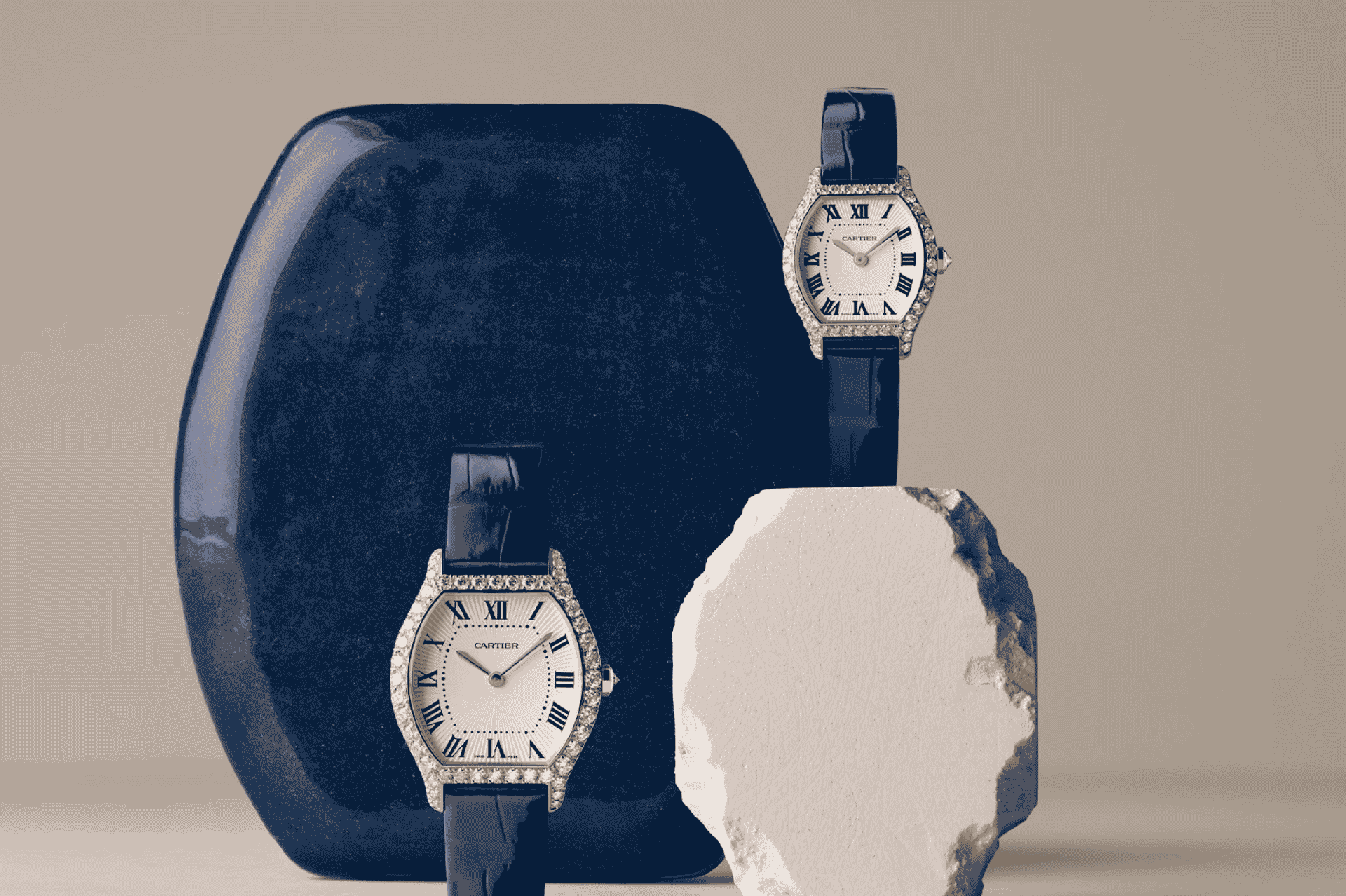
Source: cartier.com
Industry analysts call this macro trend the shift from “consumption to custodianship.” Affluent buyers are abandoning fast-cycling, seasonal fashion items and moving their wealth into “hard luxury”—legacy assets that hold tangible, long-term value. For property investors, the implications are profound.
Also read: Why Africans Are Buying Luxury Homes in Dubai
1. The Death of the “Flash” and the Rise of Generational Assets
Post-pandemic price hikes on designer handbags and trend-driven apparel left high-end consumers feeling squeezed, realizing that a $10,000 leather bag depreciates the moment it leaves the boutique. By contrast, a Cartier Love Bracelet or a gold Tank watch is viewed as a tangible asset class—especially against a backdrop of skyrocketing gold prices.
The PropertyDome Takeaway
This exact sentiment is mirroring itself in real estate. The era of the “spec-house flash”—ultra-modern, hyper-trendy glass boxes with volatile resale metrics—is giving way to a demand for architectural heritage and timeless geometry.
Just as Cartier’s resale value is being driven by iconic, historical shapes (the Tank and Panthère are seeing up to 299% appreciation on the secondary market, while modern round shapes like the Ballon Bleu dip), luxury real estate buyers are prioritizing:
- Pre-war architecture and historically significant restorations.
- Timeless, sustainable materials (natural stone, solid timber, slate) over synthetic, trendy finishes.
- Properties that promise multi-generational wealth preservation rather than short-term flipping potential.
2. Tracking the Wealth Maps: Where Capital is Actually Moving
Cartier’s regional performance provides a real-time heat map of where global wealth is currently liquid, confident, and looking for places to land.
| Region | Cartier Growth Trend | Real Estate Investment Insight |
| Japan | +28% Growth | Domestic high-end wealth is booming. Expect increased capital outflow from Japanese HNWIs looking to diversify into stable Western real estate markets, alongside a hot domestic luxury condo market in Tokyo. |
| Americas | +17% to +18% Growth | Domestic luxury spending in the US remains incredibly resilient. High-earners are active, confident, and looking to park capital in premium domestic enclaves (South Florida, Austin, and premium mountain-state retreats). |
| Asia-Pacific | +14% Growth | Stable recovery in China, with robust returning growth in Hong Kong, Singapore, and South Korea. Wealth is stabilizing, signaling a return of Asian capital into core international gateway cities. |
| Middle East | -3% Mild Softening | Driven entirely by a dip in tourism due to regional tensions. Crucially, local buying remains rock-solid. Sovereign and private capital from the GCC is simply pivoting, focusing heavily on localized ultra-luxury mega-developments. |
3. The Gen Z “Identity” Shift and the Future of Luxury Spaces
One of the most disruptive insights from the luxury market is the changing demographic profile. Data from watch marketplaces like Chrono24 show that Cartier’s share of Gen Z luxury purchases has quadrupled over the last few years.
Younger affluent buyers are entirely bypassing the aesthetic of their parents. They are rejecting oversized, chunky, aggressively masculine steel sports watches in favour of smaller, elegant, gender-fluid, and historical case shapes.
Gen Z Luxury Watch Purchases (7-Year Trajectory)
[██░░░░░░░░░░░░░░░░░░] 1.7% (Past)
[██████████████░░░░░░] 7.0% (Current)
The Spatial Implications
Developers and interior architects take note: the incoming wave of property buyers does not want sterile, over-indexed “billionaire chic.”
- The Demise of the Megaman-Cave: The demand for aggressive, oversized entertainment spaces is shifting toward curated, low-profile, and highly artistic spaces.
- Bespoke Wardrobes & Vaults: Traditional walk-in closets are being reimagined. High-net-worth buyers now require integrated, bank-grade, beautifully lit display vaults specifically designed for “hard luxury” assets like high-end watches and jewelry portfolios, which are taking up a larger share of their net worth.
The Bottom Line
Cartier’s historic market outperformance isn’t an anomaly; it’s a playbook. It proves that in an uncertain economic climate, true luxury consumers crave permanence, democratization of access, and deep-rooted heritage.
For the modern real estate investor, the directive is clear: stop chasing the trends of tomorrow, and start investing in the timeless assets that endure.